When international markets are part of the growth plan, localization ships with every release, across more markets and content types each year. Ownership often sits part-time with someone in product, marketing or engineering. That's where I come in, as the senior owner, often before a full-time one makes sense. I agree with leadership what each market needs, run the operation that delivers it, and bring what each release shows back to the people setting direction.
Senior ownership of your localization, from the business goal to the results.
I start from what the business needs from each market, design how the work runs to deliver it, and make sure what every release teaches you reaches the people setting direction. More than twenty years running localization operations at top-tier tech scale, including enterprise tech accounts worth $1–2M a year that I ran end to end. Now available fractionally, for software companies and the LSPs that serve them.

Where I come in.
For an LSP, project delivery is the baseline, and your team already delivers. The accounts that grow are the ones where the client trusts you to help its localization operation mature. I take the senior operations seat in that work: account plans built from each client's goals, a delivery rhythm matched to how they ship, and a regular read on every key account, so what your team knows across clients becomes judgment the client can use.
The operation around the translation.
Translation is the part you buy. I own the operation around it. I work inside your team, part-time, and plan around your release calendar, your budget and the people who sign off. What I take on depends on where you're starting from.
- Set the priorities with leadership: which markets and content matter most, and what good looks like for each.
- Design how the work runs: who does what across your team, your vendors and your tools, and who makes which call.
- Keep terminology and tone consistent: glossary, style guide and translation memory looked after across every release and language.
- Build localization into your releases: planned into how you ship, or how your clients ship, so translations are ready when the build is.
- Decide where AI fits: machine translation where it earns its place, human review where it protects the product.
- Bring back what each release shows: a monthly review of what shipped, what it cost, what's working and what I'd change next, for the people setting direction.
It starts with a conversation.
We start with a call about what you ship, in how many languages, who owns it today, and what the business needs from it next. If the picture is clear, we shape a monthly retainer together around your markets, volume and release calendar, and agree how long it runs. If it needs mapping first, we start with a short audit. I map how localization runs today against what the business needs from it, and you get a 90-day plan and a clear recommendation on whether a retainer, a full-time hire or neither is the right next step.
Prefer a fixed-scope project? See Projects →
What I've built.
Ran enterprise tech accounts end to end, over several years.
Scaled production departments from a handful of people to fifty, and built a translation department from scratch.
Co-founded a localization management SaaS and brought it to market, with $10K in pre-sales before development began.
A full course I wrote and taught for localization PMs, ending on business acumen.
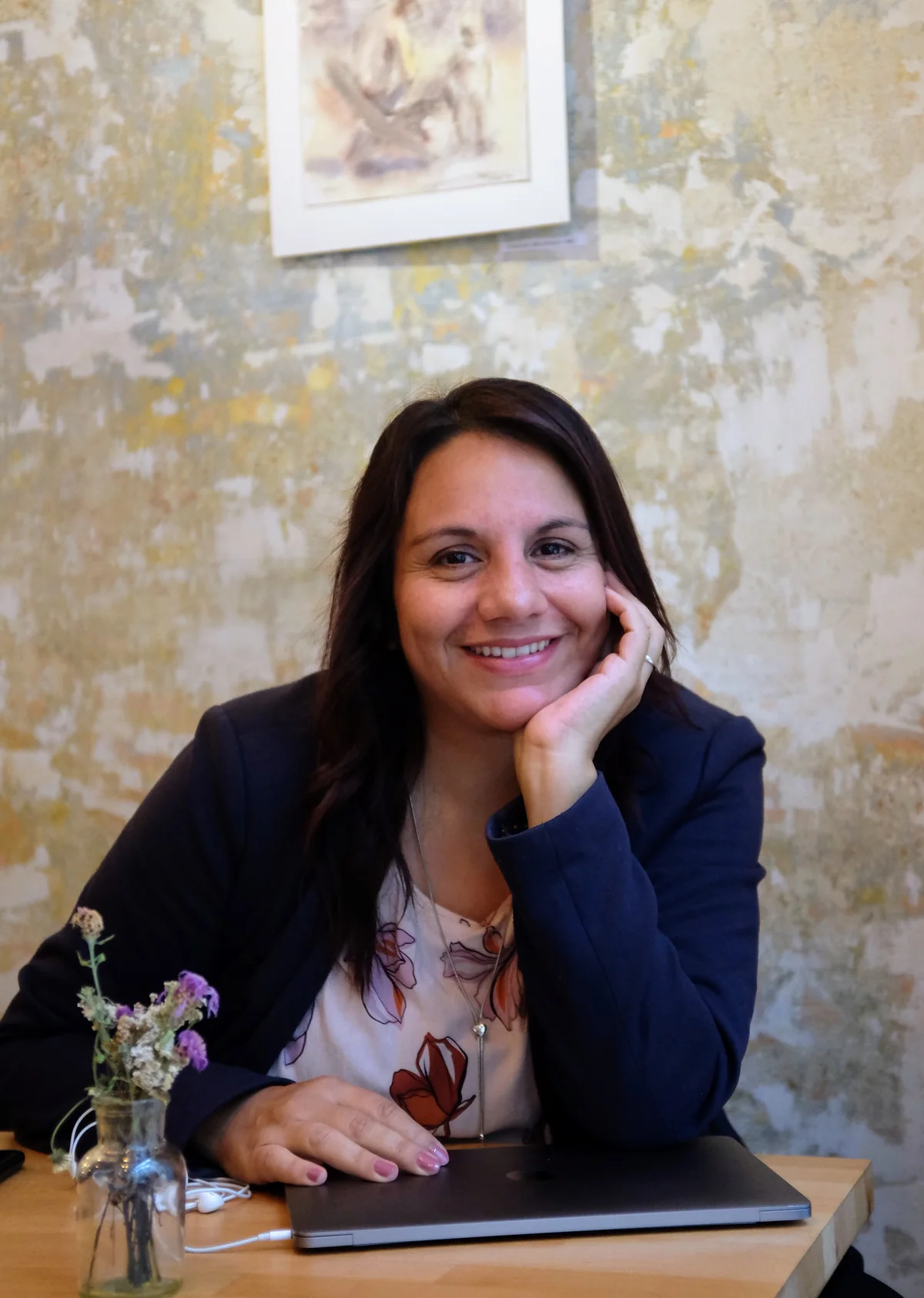
Hi, I'm Romina.
I've spent more than twenty years in localization operations, all of it on the vendor side, from project manager to program director to founder. I ran enterprise tech accounts worth $1–2M a year end to end, scaled production departments to fifty people, and built a translation department from zero. I also co-founded a localization management SaaS, and wrote and taught a 63-lesson course for localization PMs, ending on business acumen.
Now I offer fractional localization operations, from the business goal down and from the results back up.