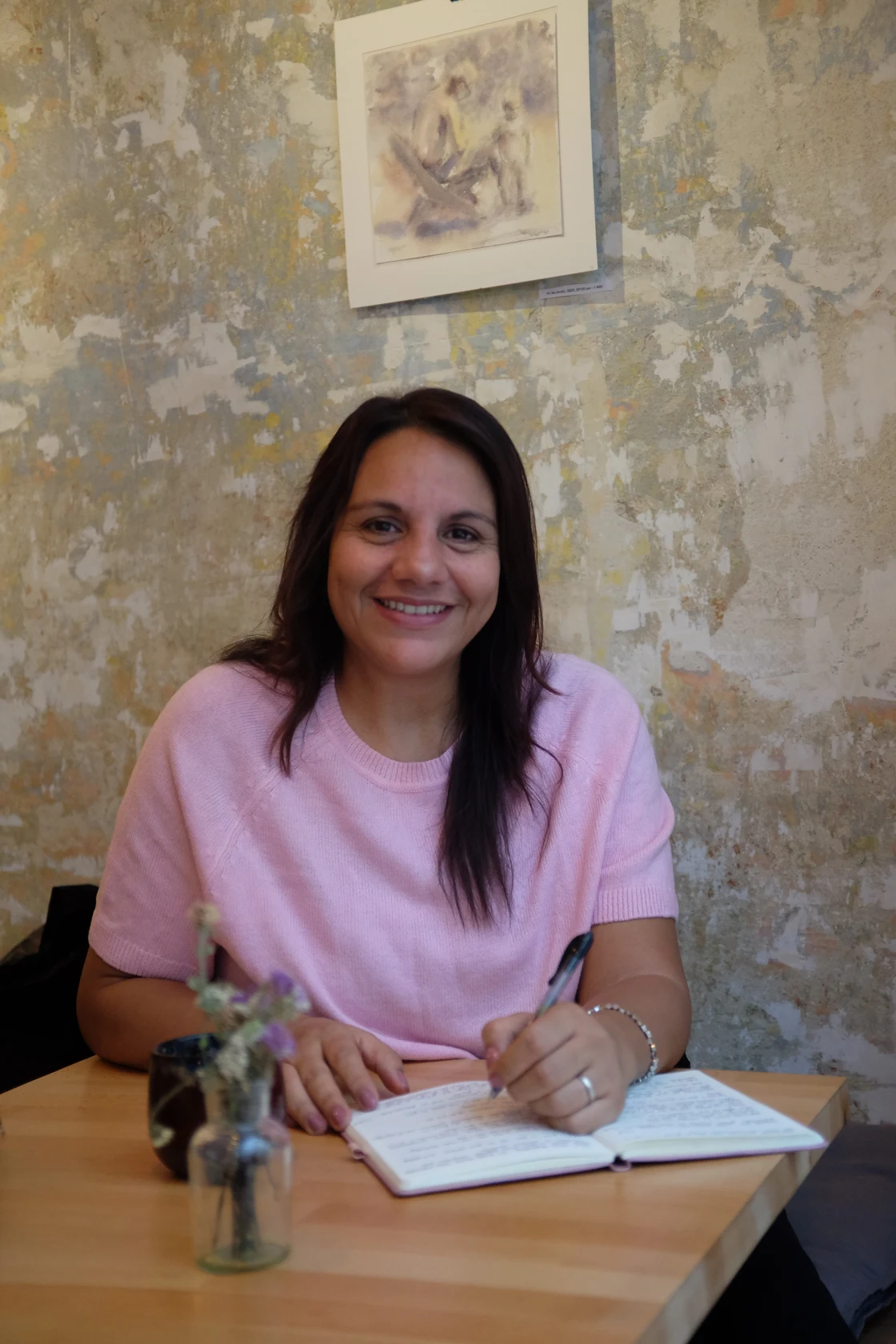
Twenty years on the vendor side of localization operations. I built and scaled production teams for enterprise language service providers. I served top-tier tech platforms at trillion-dollar scale from the vendor chair, including a seven-figure enterprise account I ran end to end and five years inside the RFP and pilot cycles those platforms run.
I built the 9-dimension account-health diagnostic and the 11-phase project lifecycle I still work from, synthesized across 20-plus ISO-certified enterprise programs. I built and commercialized my own SaaS for SMB localization operations, with $10K in pre-sales before a line of code was written. For two decades I sat across the table from the software clients your business serves now. I know what they ask for, how they decide, and why the request keeps changing. I've sat in your chair, just at bigger scale.
I'm an operational architect, not a strategist or a coach. The work is structural. I build the layer between what you already know how to do and what your team can run without you in the room. That layer is where renewals are won now, and it is the part most $1–10M LSPs never get to, because the founder is too busy being the operations.
I know that trap from the inside.
The turning point was a Christmas project that nearly broke me. I had held every thread of it myself. It shipped because I stopped sleeping, which is another way of saying it did not really work. We delivered, the client was thrilled, and my team and I were wrecked.
That was the moment I stopped believing growth had to feel like that.
What I started building instead is the operating discipline I work from now: the architecture above the parts, designed so the work survives the founder leaving the room. The people inside the business are not the cost of the work. They are the work.
After twenty years inside this industry, here's what I see now. Your software clients have already moved. They ship continuous localization, they measure outcomes per locale, and they expect the people who serve them to operate the same way. The giants are spending acquisition money to claim a technology layer you cannot out-buy: TMS, AI, automation. What does not get commoditized is the architecture above the parts: the operating system that turns a founder's judgment into something a team can run on its own. That is the seat that survives, the one built on architecture, not adrenaline. From vendor to strategic partner is the work.
I work with a narrow group on purpose. Owner-operators of $1–10M European LSPs whose top three clients are software, SaaS, mobile, or developer-tools companies. Eight to forty production staff. The ones with depth worth defending: a vertical you know cold, technology choices that compound, processes that survive the people, a team whose tenure is itself an asset. If your main asset is a list of contacts and a team where you are the only person who knows what is actually happening, you are not there yet. I will tell you so, and we will know when the timing is right. The owners I serve already have that depth, or close enough that the work moves them there.